
Playgroup (Ages 2-3 Years)
Baby Class (Ages 3-4 Years)
Middle Class (Ages 4-5 Years)
Top Class (Ages 5-6 Years)
Playgroup (Ages 2-3 Years)
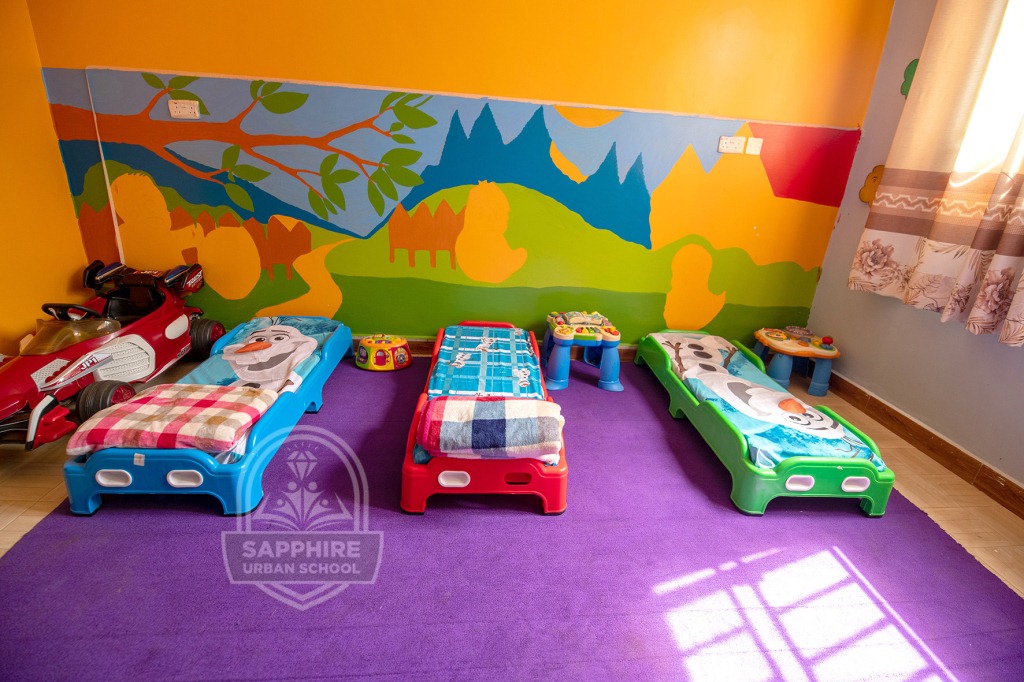
- The Playgroup programme is offered for children who have turned 2 years old before 1st September of the school year they are joining.
- Playgroup is your child’s first introduction to school and the beginning of their education journey. It is a precious time of exploring the world around them, making friends and becoming more independent.
- When you walk into the Playgroup classrooms you will find a bright, lively and welcoming atmosphere with well-qualified staff ready to greet and support your child on arrival
Baby Class (Ages 3-4 Years)
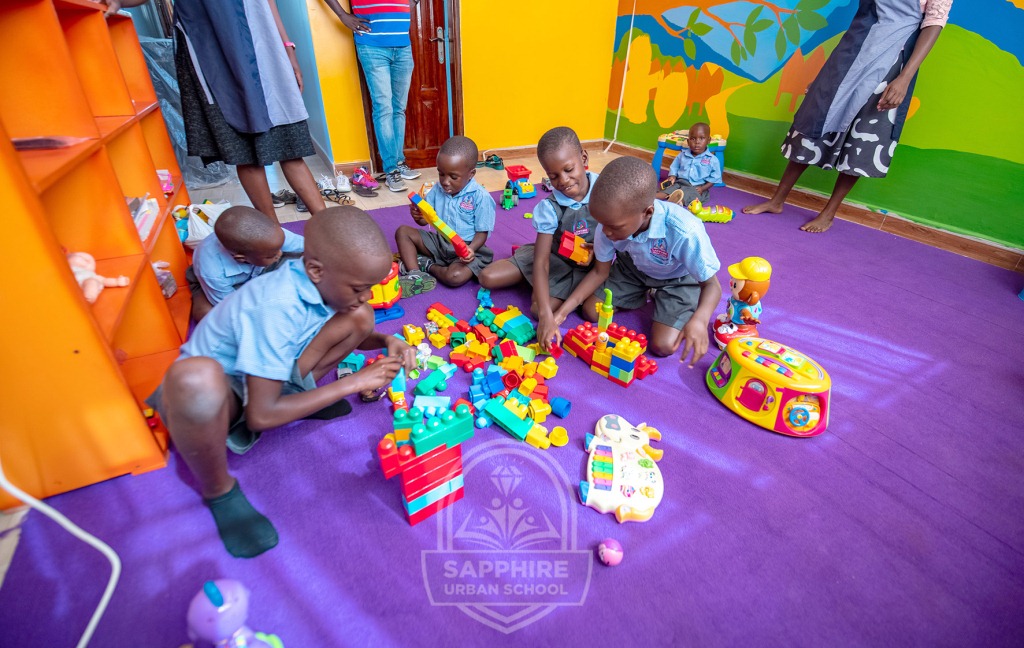
- Children start baby class in the September after their third birthday. Entering FS1 is a welcoming experience where exploratory self- directed learning rooted in meaningful play is emphasised.
- In baby class, we recognise the benefits of having the time and space to explore, to investigate, question, collaborate and play out all the experiences that underpin lifelong learning. As you come into baby class area, you will see the children working in small groups where they are actively learning through multi-sensory play across three different classrooms. In the role-play room children are encouraged to extend their imagination, make-believe, and create stories together.
- In the central area, children will be developing their understanding of basic literacy skills and taking part in early reading. You will find some children immersed in the sounds and experiences of stories and others quietly enjoying the book corner independently or with a friend. Opportunities are provided for children to use their emerging reading and writing skills in meaningful ways, like the provision of menus, recipes, note paper and pencils in an outdoor restaurant.
- A third classroom offers opportunities for children to enjoy both group activities and free play with a range of construction toys, drawing and craft material, and puzzles. There are opportunities to explore numbers as well as explore science at a discovery table. Children have free access to an outside learning area with water play and sand.
- Children are in constant interaction with their environment manipulating objects, making predictions and asking questions. They want to touch everything they see.
- Social interactions form the basis of children’s learning in Playgroup and the children are nurtured through warm supportive relationships in developing new friendships and interacting with peers and adults. Teachers engage with the children in a range of ways to support and extend their emerging and developing confidence and skills through play, movement, dance, singing, acting, role playing and stories.
- Children are encouraged to actively engage in a variety of activities, to ‘have a go’, and to test out new ideas. Focused play areas and activities like the role play and puppet areas encourage talk and communication. The Playgroup classrooms provide a rich literary environment with books, story-telling, singing songs, and reciting rhymes to ignite early reading skills. Children have free access to paint, chalk, sand, and water play, and the use of a variety of malleable materials, such as clay, corn flour, wet soil and sloppy sand engages them in exciting tactile and sensory experiences which are paramount in their early development.
Middle Class (Ages 4-5 Years)
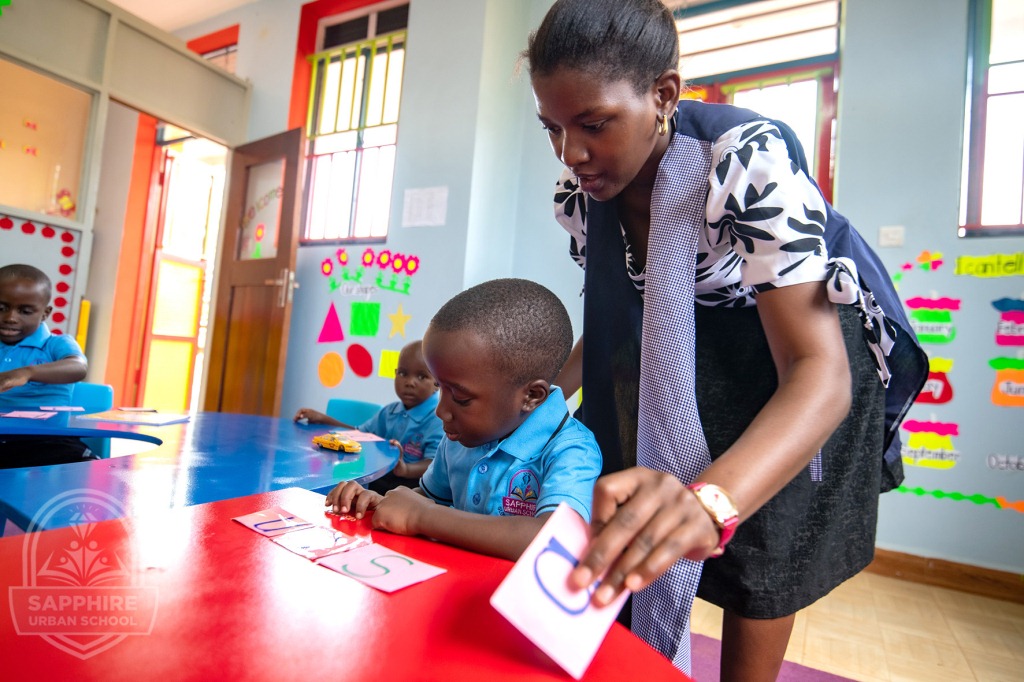
- Children start middle class in the September after their fourth birthday. Children arrive in middle class eager to take on the increased challenges of the specific, content-led areas of the wider curriculum. Success in reading, writing and mathematics is built on a strong foundation of learning from baby class.
- Classes are well-planned with structured activities ensuring that middle class is a vibrant and stimulating environment in which the children are engaged and challenged. Reading, learning to write and mathematics are key elements of the middle class curriculum which build on the rich early literacy and mathematical reasoning experiences of baby class. Teaching is through a balance of whole-class interactive teaching, small-group teaching, partner work and play.
- Daily literacy and mathematics lessons are timetabled in the morning for the teaching of new skills and concepts and for ongoing opportunities for children to practice and consolidate their emerging skills.
- Reading is taught in a systematic and structured way, building children’s phonic knowledge and skills explicitly, and teaching spelling and handwriting directly. Spoken language, vocabulary development and listening comprehension are embedded into all aspects of their work.
- Children’s understanding and fluency in counting, number, quantities, comparing numbers and solving problems are explored through practical application using an array of manipulatives. This helps to develop mathematical understanding and the reasoning behind the concept being investigated and deepens children’s core understanding of mathematical concepts.
- Through scientific investigations children in middle class are encouraged to explore, investigate and experiment. They are encouraged to ask why things happen and how they work, as well as what they think will happen. They also observe and manipulate objects to identify similarities and differences and why changes occur.
Top Class (Ages 5-6 Years)
- In Year 1, the core skills of English and Mathematics are still the focus for learning and are timetabled during morning sessions when the children are full of energy.
- In Literacy, children continue developing phonic knowledge and skill and continue to broaden their vocabulary and further develop a love of reading. Reading is taught alongside spelling and joined handwriting is explicitly taught. Through structured teaching, children develop the skills and processes essential to writing in different genres.
- In Mathematics, children work with manipulatives and real life situations to further develop their understanding and fluency in counting, numbers and place value. They reason mathematically and solve problems.